Understanding Cat Hotel Pricing and What Influences the Cost
Understanding cat hotel pricing involves several critical factors that influence overall costs. Location is paramount, with urban centers typically commanding higher rates cat hotel ampang. The type of accommodation, whether standard or luxury, also plays a significant role. Additionally, the duration of stay can yield variable pricing, often with discounts for extended visits. As one examines these elements, other considerations such as included services and special needs may emerge, raising further questions about the true value of care provided.
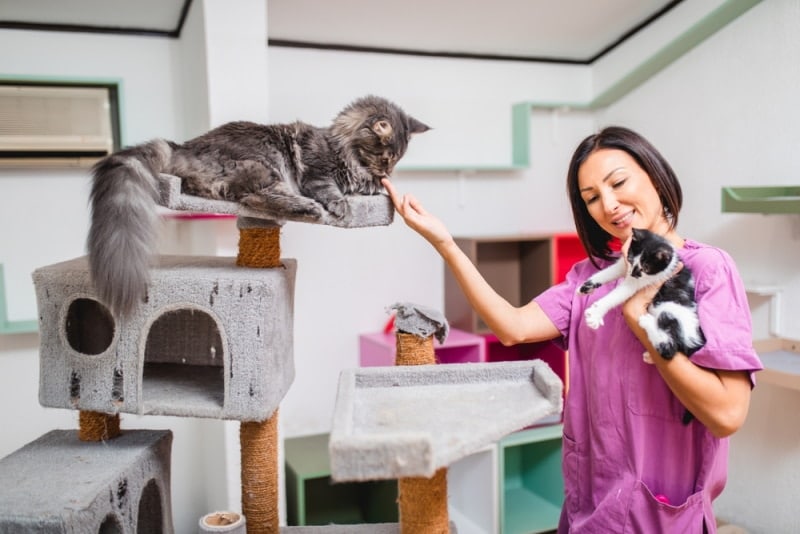
Types of Cat Hotels: Basic vs. Luxury Accommodations
When considering accommodations for feline friends, what distinguishes basic cat hotels from their luxury counterparts?
Basic cat hotels typically offer essential amenities such as standard bedding, meal provisions, and limited playtime. These facilities focus on providing a safe environment but may lack personalized care or engaging activities.
In contrast, luxury cat hotels elevate the experience by incorporating premium features like spacious suites, interactive play areas, and customized feeding options pet universe starlux. They often provide additional services such as grooming, specialized care for health needs, and 24-hour supervision.
This distinction in offerings not only enhances the comfort and well-being of the cats but also reflects the varying price points associated with each type of accommodation, catering to different owner preferences and budgets.
Location and Its Impact on Pricing
The location of a cat hotel plays a significant role in determining its pricing structure. Urban cat hotels typically charge higher rates compared to their rural counterparts due to increased local demand and higher operating costs.
In metropolitan areas, where pet ownership is prevalent, the competition drives prices up, as facilities cater to owners seeking convenient and premium services. Conversely, rural cat hotels may offer more competitive rates, reflecting lower demand and reduced overhead expenses.
These pricing disparities highlight how geographical factors influence customer expectations and willingness to pay. Understanding the dynamics between urban and rural settings allows potential customers to make informed decisions based on their budget and desired experience for their feline companions.
Duration of Stay: Daily Rates and Discounts
While the duration of stay at a cat hotel greatly influences overall pricing, daily rates often vary based on several factors, including the length of the booking and promotional discounts.
Typically, cat hotels offer daily rate comparisons that reflect the standard fees for shorter stays versus more extended visits. For example, a hotel may charge a higher daily rate for one or two nights, while offering significant savings for bookings exceeding a week.
These extended stay discounts incentivize longer reservations, making them more appealing to pet owners planning vacations. Additionally, seasonal promotions or loyalty programs can further impact pricing, allowing cat owners to maximize value while ensuring their feline companions receive quality care throughout their stay.
Included Services: Feeding, Playtime, and Grooming
Understanding the pricing structure of cat hotels also involves examining the range of included services that enhance the overall value of a pet’s stay.
Essential components such as feeding schedules are tailored to accommodate dietary preferences, ensuring proper nutrition during the stay. Additionally, playtime activities are designed to engage cats in stimulating exercise routines, promoting physical health and well-being.
The frequency of grooming provided can vary, with some facilities offering daily care to maintain a cat’s coat and hygiene. Moreover, socialization opportunities are often included, allowing cats to interact with staff and other pets, which can be crucial for their emotional stability.
Collectively, these services contribute greatly to the overall cost and perceived value of cat hotel accommodations.
Special Needs: Handling Medical Conditions and Dietary Restrictions
How do cat hotels accommodate the unique needs of pets with medical conditions and dietary restrictions?
Cat hotels increasingly prioritize the specialized care required for cats with medical needs and specific dietary requirements. Facilities often employ trained staff who can provide necessary medical care, including administering medication and monitoring chronic conditions.
This level of attention typically comes at an added cost due to the expertise required. Additionally, cat hotels are equipped to accommodate various dietary needs, allowing owners to provide prescribed food or specialized diets.
The ability to cater to these requirements is vital, as it guarantees not only the health of the pet but also peace of mind for the owner, thereby influencing overall pricing structures in these establishments.
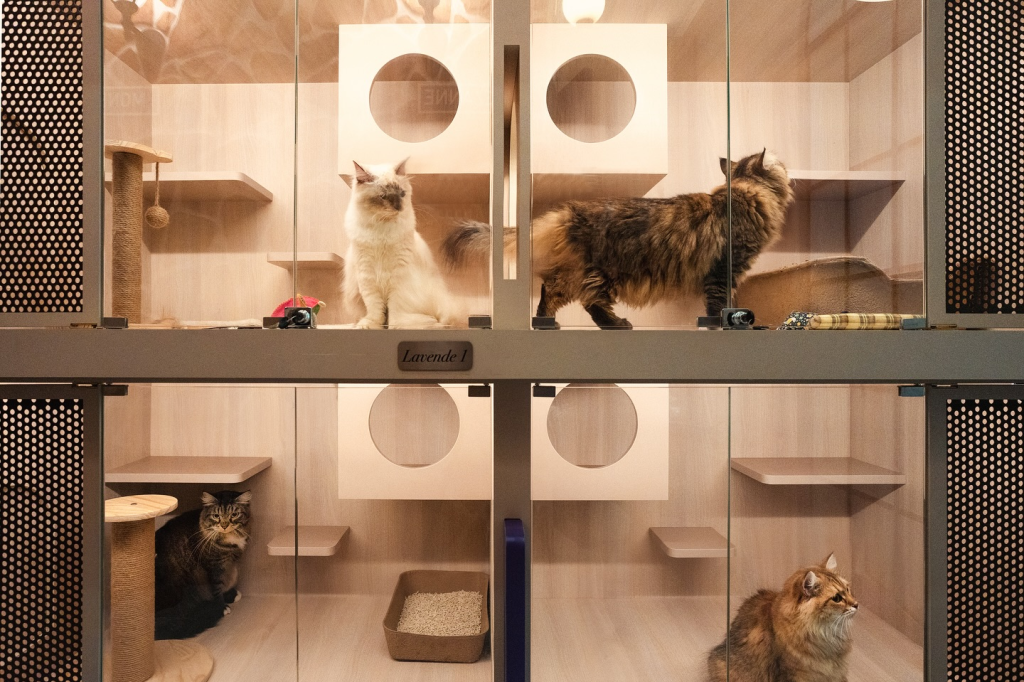
Capacity and Space: Individual Suites vs. Shared Spaces
As pet owners consider options for their feline companions, the choice between individual suites and shared spaces in cat hotels becomes a significant factor in both comfort and pricing.
Individual suites often come equipped with various suite amenities, including cozy bedding, toys, and personalized attention, providing a luxurious experience for cats. This exclusivity typically results in higher pricing due to the enhanced comfort and tailored services.
Conversely, shared spaces may allow for better space utilization, accommodating more cats at a lower cost. However, the communal environment can lead to increased stress for some felines.
Ultimately, the decision hinges on balancing the desire for comfort with budgetary constraints, making it essential for owners to assess their cat’s temperament and needs when selecting accommodations.
Seasonal Pricing: Peak Times and Holiday Rates
While many cat hotels offer consistent pricing throughout the year, seasonal fluctuations can greatly impact rates, particularly during peak times and holidays.
Holiday demand often results in increased occupancy, prompting cat hotels to implement peak pricing strategies. This can lead to markedly higher rates during major holidays such as Christmas, Thanksgiving, and the summer vacation season.
The rationale behind this pricing model is straightforward: when demand exceeds supply, hotels capitalize on the opportunity to maximize revenue. Additionally, many cat hotels may require advance bookings during these peak periods, further contributing to elevated costs.
Understanding these seasonal pricing dynamics allows pet owners to plan accordingly, ensuring their feline companions receive quality care during high-demand times without unexpected financial strain.
Reputation and Quality of Care: Reviews and Certifications
When selecting a cat hotel, the reputation and quality of care provided are paramount considerations for pet owners. Customer testimonials offer invaluable insights into the experiences of previous clients, reflecting both the level of service and the overall satisfaction of the cats’ well-being.
Positive reviews often highlight attentive staff, clean environments, and personalized care that can greatly influence pricing. Additionally, care certifications, such as those from recognized animal welfare organizations, serve as indicators of a facility’s commitment to high standards.
These certifications guarantee that the establishment adheres to best practices in feline care, further justifying their rates. Pet owners should carefully evaluate these factors to ensure their cats receive the best possible environment during their stay.
Additional Fees: Hidden Costs to Consider
Understanding the reputation and quality of care at a cat hotel is only part of the decision-making process; potential pet owners must also consider additional fees that may not be immediately apparent.
Many cat hotels offer various additional services, such as grooming, playtime, or specialized diets, which can greatly increase the overall cost.
Moreover, emergency fees may apply if a pet requires unexpected medical attention, adding another layer to the financial commitment.
It is essential for pet owners to inquire about these potential costs upfront to avoid surprises upon checkout.
Conclusion
In conclusion, understanding cat hotel pricing involves a multifaceted analysis of various influencing factors, including accommodation type, location, duration of stay, and included services. Special needs considerations, capacity, seasonal pricing variations, and the establishment’s reputation further complicate the landscape. Pet owners must remain vigilant about potential additional fees to guarantee they select a facility that meets both their budget and their cat’s needs. By evaluating these elements, informed decisions can be made for the best feline care during stays away from home.